

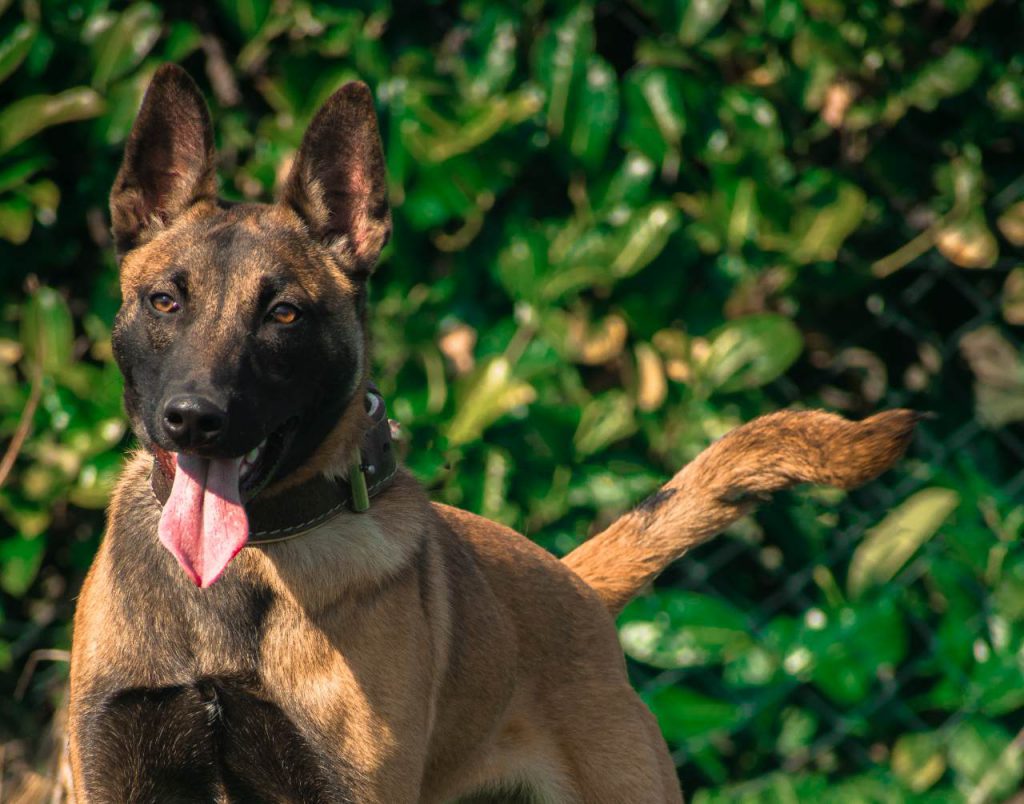
Are Police Dogs Male or Female? The Real Answer From a K9 Trainer
Quick answer: Both male and female dogs work as police and military K9s, but most departments field noticeably more males — usually for practical reasons (intact-dog management, size for patrol work) rather than because females perform worse. In fact, female dogs are frequently the preferred choice for detection and tracking roles. Below is what actually drives the split, from the perspective of a working dog operator who places dogs into these roles.
Why More Police Dogs Are Male
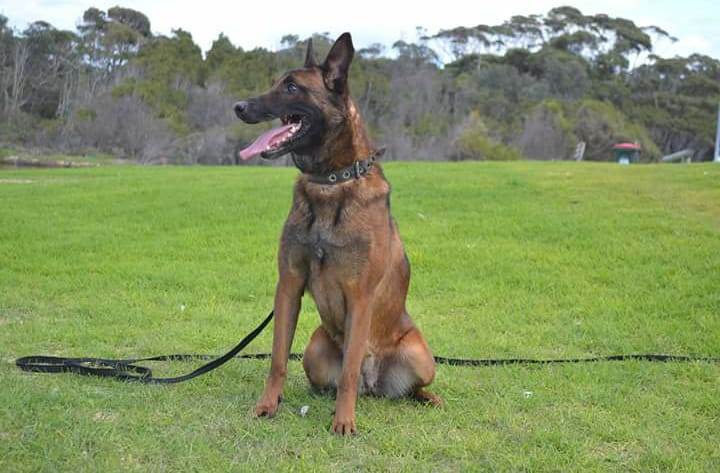
The gender skew toward males in police and military K9 units is real, but it's driven by logistics more than ability:
- Intact status: most working K9s are left intact (unneutered/unspayed) because hormones influence drive and focus. Managing a female's heat cycle around an active duty schedule is an operational headache most departments would rather avoid, so many keep intact females for breeding programs instead of active patrol duty.
- Size and stature for patrol work: for pure patrol and apprehension roles, the larger frame typical of males is often seen as an advantage — though a well-trained female is just as capable of controlled engagement.
- Historical bias, not performance data: a lot of departments simply default to males because that's the precedent, not because of documented performance differences. This is slowly shifting as more agencies formalize gender-neutral selection criteria.
Are Female Police Dogs Just as Effective?
Yes — and in some roles, handlers actively prefer them. Female working dogs are frequently described by handlers as more focused trackers, calmer in high-distraction environments, and quicker to mature into reliable working behavior. Several detection and search-and-rescue units specifically favor females for exactly these traits. The idea that male dogs are automatically "better" police dogs doesn't hold up against how many effective female K9s are actually out there — they're simply a smaller share of total active-duty dogs.
Task-by-Task: Which Gender Tends to Get Selected
| Role | Typical Gender Split | Why |
|---|---|---|
| Patrol / Apprehension | Majority male | Larger frame favored for physical control situations |
| Detection (drugs, explosives) | Mixed, often female-favored | Focus and precision matter more than size |
| Tracking / Search & Rescue | Mixed, often female-favored | Handler reports often cite better sustained focus |
| Personal & Family Protection | Mixed, temperament-dependent | Individual dog's drive and stability matter more than gender |
| Military Working Dogs | Majority male | Historical precedent plus intact-female duty-cycle management |
"K9 Girls" and "K9 Ladies": Why This Search Term Exists
If you've searched for "K9 girls" or "K9 ladies," you're not alone — it's a common informal way handlers and the public refer to female working dogs, since the K9 world skews male enough that a female K9 tends to stand out. There's no functional difference in training or certification standards; a female K9 goes through the same task-specific certification as any male dog in the same role.
Frequently Asked Questions
Are all police dogs male?
No. Most active-duty K9s are male, but female dogs work in every major K9 role, including patrol in some departments. The split varies significantly by agency and country.
Why are most police dogs male?
Mainly operational convenience — managing intact females around active duty schedules, plus a long-standing (and not fully data-driven) preference for the size and stature of male dogs in patrol roles.
Can police dogs be female?
Yes. Female dogs are certified and deployed across patrol, detection, tracking, and search-and-rescue roles, and are frequently the preferred choice for detection work specifically.
Do police departments use female dogs?
Most departments do have at least some female K9s on staff, though they typically make up a minority of the active-duty roster.
Are military working dogs male or female?
Both, though military programs also skew male for similar operational reasons — intact-dog duty management and historical precedent in patrol and apprehension roles.
Are there female K9 dogs?
Yes — female K9s are active in police, military, and private security roles worldwide, just in smaller numbers than males overall.
The Bottom Line
Gender isn't the deciding factor in whether a dog can do K9 work — task fit, temperament, and training are. The skew toward male dogs in active-duty rosters is a logistics and precedent story, not a performance one. If you're selecting a working or protection dog, individual drive, stability, and training pedigree matter far more than whether the dog is male or female.
Looking to place a working dog with the right temperament for your specific task? See our fully trained protection dogs, or explore breed-specific options like our Belgian Malinois, German Shepherd, and Labrador working dogs.